
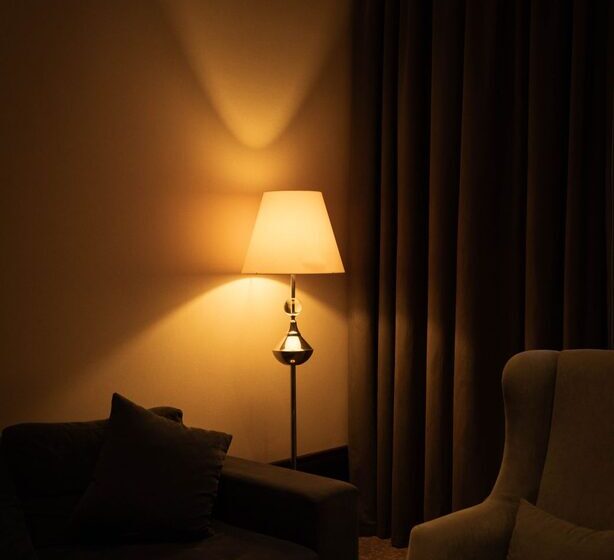

Creating a cozy and inviting home environment is something many of us strive for. A warm and comfortable space not only makes daily life more enjoyable but also leaves a positive impression on visitors. Whether you live in a small apartment or a spacious house, there are plenty of ways to make your home feel welcoming and snug. Here are some practical tips to help you transform your living space into a cozy haven.
1. Choose Warm and Soothing Colors
Color plays a crucial role in setting the mood of your home. Warm tones like soft beiges, gentle browns, muted yellows, and earthy greens tend to create feelings of comfort and relaxation. If you prefer cooler colors, consider pairing them with warm accents such as wood textures or soft lighting to balance the space.
– Use neutral colors on walls to provide a calming backdrop.
– Add colorful cushions, throws, or artwork for visual interest.
– Avoid overly bright or harsh colors which can feel energizing rather than relaxing.
2. Layer Your Lighting
Lighting greatly influences the atmosphere of a room. Instead of relying on a single overhead light, try layering different types of lighting to create a soft, inviting glow.
– Combine ceiling lights with table lamps and floor lamps.
– Use warm-toned bulbs to enhance coziness.
– Consider adding candles or fairy lights for an extra touch of warmth.
Adjustable lighting gives you the flexibility to set the right mood for any time of day or occasion.
3. Invest in Soft Textiles
One of the easiest ways to add comfort to a room is through textiles. Soft materials invite you to relax and stay awhile.
– Use plush throw blankets and plenty of cushions on sofas and chairs.
– Choose rugs with a soft pile to add warmth underfoot.
– Consider curtains made from cozy fabrics like velvet or thick cotton.
These elements not only look inviting but also add insulation and sound absorption, making your home quieter and warmer.
4. Incorporate Natural Elements
Bringing nature indoors can help create a peaceful atmosphere and improve the overall vibe of your home.
– Add houseplants to enhance air quality and add vibrant green tones.
– Use natural materials like wood, stone, or wicker in furniture and decor.
– Display fresh flowers or dried arrangements to add texture and scent.
Even a small plant on a windowsill or a wooden bowl on a coffee table can make a big difference.
5. Declutter and Organize
A cluttered space can feel chaotic and stressful, which works against the idea of creating an inviting home. Keeping your home tidy and organized is essential.
– Use baskets, boxes, and shelves to store items neatly.
– Keep surfaces clean and free from unnecessary items.
– Regularly go through your belongings and donate or sell things you no longer need.
A clean and well-organized home fosters relaxation and makes every room feel more open and enjoyable.
6. Create Comfort Zones
Design areas where you can unwind fully. These might include reading nooks, cozy corners, or dedicated spaces for hobbies.
– Add a comfortable armchair or a small sofa with a reading lamp.
– Use a soft rug or floor cushions to define the space.
– Include a small side table for books, drinks, or candles.
Having a designated comfort zone encourages you and your guests to relax and enjoy the space.
7. Pay Attention to Scents
A pleasant scent can instantly make a home feel welcoming. You don’t need expensive candles or diffusers to add fragrance.
– Use natural options like simmering cinnamon sticks or fresh herbs.
– Try essential oils like lavender, eucalyptus, or vanilla for calming aromas.
– Keep your home fresh by regularly airing out rooms.
Scent can be a powerful tool in creating a warm and soothing environment.
8. Personalize Your Space
A home that reflects your personality feels more inviting. Personal touches make a space unique and comfortable.
– Display photos, souvenirs, or artwork that have meaning to you.
– Arrange your furniture in a way that encourages conversation.
– Incorporate colors and styles that resonate with your taste.
By surrounding yourself with things you love, your home becomes a true reflection of who you are.
9. Consider Temperature and Comfort
Physical comfort is essential for a cozy home. Make sure your living spaces are the right temperature and offer comfort throughout the year.
– Use insulated curtains or draft stoppers to keep heat in during colder months.
– Invest in ceiling or standing fans for cooler summer days.
– Provide plenty of blankets and cozy clothing options nearby.
Being able to adjust your environment for comfort will make your home feel like a true sanctuary.
10. Add Inviting Furniture
Finally, the furniture you choose can make or break the cozy feeling in your home. Focus on comfort and inviting arrangements.
– Choose sofas and chairs with soft cushions and good back support.
– Arrange seating to encourage interaction among family and guests.
– Add poufs or ottomans for extra seating and comfort.
Comfortable and well-placed furniture invites people to sit down, relax, and stay longer.
—
By combining these tips, you can create a home environment that’s not only cozy but also inviting for everyone who walks through your door. Start with small changes and gradually build up a space that feels like a true retreat from the outside world. Remember, the key is to focus on warmth, comfort, and personal touches that make your house a home.
