
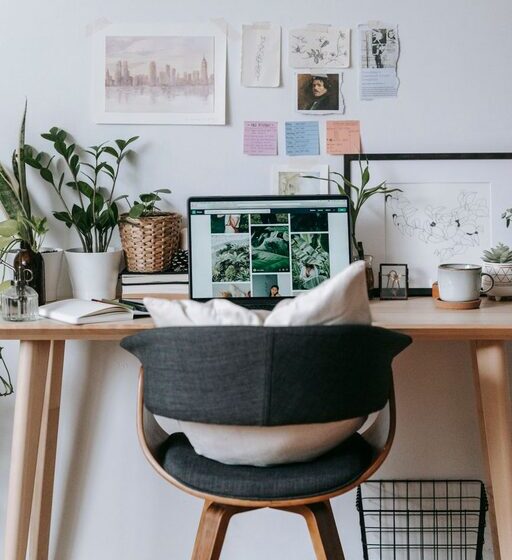

Creating a home office that is both cozy and functional can make a big difference in your daily work routine. Whether you work remotely full-time or occasionally need a quiet place for tasks, a well-organized and inviting workspace can boost your focus and well-being. Here are practical tips to help you design a home office that feels comfortable yet supports productivity.
1. Choose the Right Location
Start by selecting a spot in your home that suits your work needs. Ideally, pick a quiet area away from heavy foot traffic and distractions. If possible, choose a space with natural light as it can improve mood and reduce eye strain.
Consider these factors:
– Privacy: Can you close the door to limit interruptions?
– Lighting: Is there enough daylight or room to add lamps?
– Space: Do you have enough room for essentials like a desk, chair, and storage?
Even a small corner can become an effective work zone with smart planning.
2. Invest in Ergonomic Furniture
Comfort is critical for long hours spent at your desk. Ergonomic furniture helps prevent strain and keeps you comfortable throughout the day.
Essential furniture pieces:
– Desk: Choose one with enough surface area to hold your computer, notebook, and other tools.
– Chair: An adjustable chair with good back support encourages good posture.
– Footrest: Helps maintain proper leg positioning if your feet don’t reach the floor.
Remember, comfort and support aren’t luxuries—they help maintain your health and productivity.
3. Optimize Lighting for Comfort and Focus
Poor lighting can cause headaches and eye strain. To create a well-lit workspace:
– Position your desk to take advantage of natural light without glare on your screen.
– Use layered lighting: combine overhead lights with task lighting such as desk lamps.
– Select bulbs with a color temperature between 4000K and 5000K for a balanced, daylight effect.
Adjustable lighting allows you to tailor brightness to the time of day or task.
4. Organize Your Workspace Efficiently
A cluttered desk can distract and stress you out. Keep your home office tidy and functional by implementing organization systems.
Tips for organization:
– Use shelves or filing cabinets to store documents and supplies.
– Employ desk organizers for pens, notes, and small accessories.
– Consider cable management tools to keep wires untangled and off the floor.
– Maintain a regular cleaning routine to prevent buildup.
A clear workspace improves mental clarity and helps maintain focus.
5. Add Personal Touches to Boost Comfort
While functionality is key, personalizing your office creates a warm and inviting environment that motivates you.
Ideas for personalization:
– Hang artwork or motivational quotes that inspire you.
– Add plants to bring nature indoors and improve air quality.
– Use cushions or a cozy throw on your chair for added comfort.
– Choose colors that make you feel calm and energized, such as soft blues or greens.
Balancing professional with personal elements makes your workspace feel uniquely yours.
6. Incorporate Technology Thoughtfully
Technology is central to most home offices, but too many gadgets can be overwhelming. Keep tech choices purposeful.
– Select reliable devices that meet your work requirements.
– Set up a charging station to keep devices powered without clutter.
– Use wireless accessories like keyboards and mice to reduce cables.
– Ensure a strong Wi-Fi connection or consider a wired internet setup for stability.
Keep technology organized and accessible to streamline your workflow.
7. Establish Boundaries Between Work and Home Life
To maintain work-life balance, design your office space so it feels separate from your living areas.
– If possible, use a physical barrier like a door or room divider.
– Set clear work hours and stick to them.
– Avoid working in bed or on the couch to keep a mental distinction between work and relaxation.
– When the day ends, close your laptop and tidy your desk.
Setting boundaries helps you unwind and keeps your productivity sustainable.
8. Prioritize Comfort with Climate Control and Acoustics
An office that is too hot, cold, noisy, or echoey can be distracting.
– Use a fan, heater, or humidifier as needed to maintain a comfortable temperature.
– Consider soft furnishings like rugs or curtains to absorb sound.
– Noise-cancelling headphones can help block distractions if you can’t control ambient noise.
A comfortable environment lets you focus better and stay energized.
Conclusion
Designing a cozy and functional home office is about finding the right balance between comfort and practicality. By choosing the right location, investing in ergonomic furniture, optimizing lighting and technology, and personalizing your space thoughtfully, you can create a home office that encourages productivity while feeling welcoming. Remember, small tweaks and regular organization go a long way in keeping your workspace inspiring and efficient. Happy decorating!
